In the landscape of neurodivergence, the search for supportive nutritional strategies has led many families back to a remedy as old as the desert itself: camel milk. Beyond its status as a “superfood,” modern clinical research is beginning to unravel how this bio-identical milk interacts with the complex system known as the gut-brain axis. For individuals on the autism spectrum, where gastrointestinal distress and neurological symptoms often overlap, camel milk offers more than just nutrition—it provides a potential biological reset.
Understanding the connection between what happens in the digestive tract and how the brain functions is critical. This bidirectional communication, or the gut-brain axis, suggests that by healing the gut, we can positively influence behavioral outcomes, cognitive clarity, and sensory processing. Let’s dive into the science of why camel milk is becoming the cornerstone of the GFCF (Gluten-Free, Casein-Free) diet and how its unique protein structure supports neurodiversity.
The Science of the Gut-Brain Axis in Neurodivergence
The gut-brain axis is a complex network involving the vagus nerve, the immune system, and the endocrine system. Research suggests that many children and adults on the autism spectrum suffer from chronic low-grade inflammation in the gut, often referred to as “leaky gut” or increased intestinal permeability. When the intestinal barrier is compromised, undigested food particles and toxins enter the bloodstream, triggering an immune response that can lead to neuro-inflammation.
This is where the concept of “behavioral scores” comes into play. Clinical trials have observed that when gut inflammation is reduced, markers for irritability, social withdrawal, and hyperactivity often show significant improvement. By providing the body with the right bio-active tools, we aren’t just feeding the body; we are communicating with the brain. To start this journey, many families choose to buy camel milk as a foundational step in their dietary protocol.
The A1-Casein Problem and the Casomorphin Factor
One of the primary reasons traditional dairy is excluded from autism diets is the presence of A1 beta-casein. During the digestion of cow’s milk, A1-casein breaks down into a peptide called Beta-Casomorphin-7 (BCM-7). BCM-7 is an opioid peptide that has the ability to cross the blood-brain barrier. In sensitive individuals, these casomorphins can bind to opioid receptors in the brain, leading to what many parents describe as “brain fog,” altered pain perception, and social detachment.
Camel milk is fundamentally different. It is naturally A1-casein free and belongs to the A2-type protein family. Because it lacks the structural sequence to produce BCM-7, it does not trigger the opioid-like effects associated with bovine dairy. This makes it the gold standard for those strictly following a GFCF protocol. It provides the creamy taste and calcium density of milk without the inflammatory “brain fog” triggers.
Sealing the Leaky Gut: The Role of Lactoferrin and IgG
The term “leaky gut” describes a condition where the tight junctions of the intestinal wall become loose. To repair these junctions, the body requires specific bio-active proteins. Camel milk is exceptionally rich in Lactoferrin and Immunoglobulins (IgG). These are the “security guards” of the digestive system.
Lactoferrin is a multifunctional protein that helps regulate iron and starves harmful bacteria while promoting the growth of beneficial probiotics. More importantly, IgG (Immunoglobulin G) serves as a natural antibody that identifies and neutralizes pathogens. For individuals with ASD, these proteins help modulate the immune response and support the structural repair of the gut lining. However, these proteins are delicate. This is why using a high-quality camel milk powder that is processed correctly is essential for achieving therapeutic results.
The Importance of Low-Temperature Spray Drying
Not all camel milk is created equal. The healing power of camel milk lies in its bio-active structure. Most commercial milk powders are produced using high-heat pasteurization or standard drying methods that denature the proteins. When Lactoferrin and IgG are exposed to high temperatures, they lose their biological “shape” and, consequently, their effectiveness.
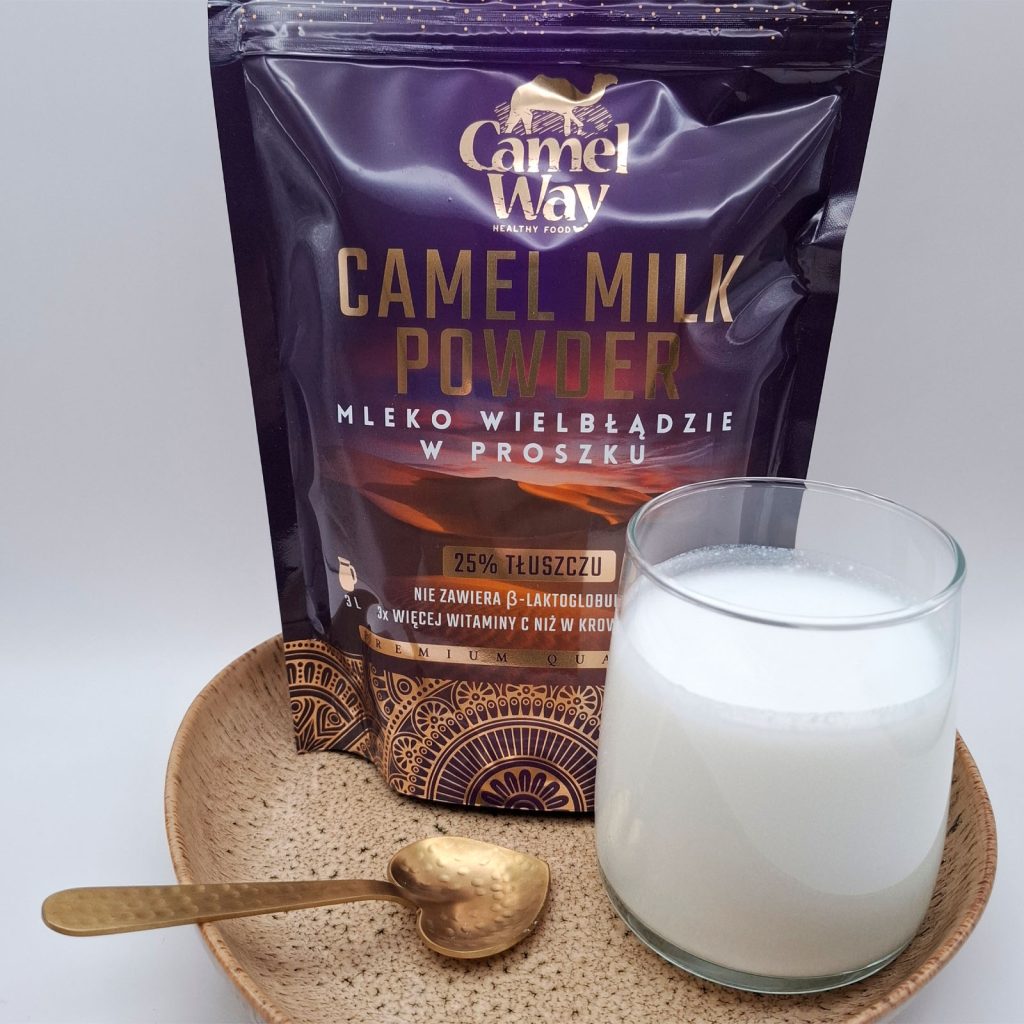
At CamelWay, we utilize a specialized Low-Temperature Spray Drying process. This method preserves the fragile structure of the immunoglobulins and enzymes, ensuring the powder remains bio-identical to the fresh milk found in the desert. This preservation is what allows the milk to effectively support the gut-brain axis and contribute to the positive behavioral changes reported in clinical literature. When you choose a powder, you are choosing the integrity of these life-changing proteins.
Clinical Evidence: What the Research Says
The academic community has taken a significant interest in camel milk and autism. Multiple randomized controlled trials (RCTs) indexed on PubMed have investigated the effects of consistent camel milk consumption on children with ASD. Key findings from these studies include:
- Reduced Oxidative Stress: Camel milk significantly increases levels of antioxidant enzymes like glutathione, which helps the body detoxify and reduces oxidative damage in brain cells.
- Improved Behavioral Scores: Studies using the Childhood Autism Rating Scale (CARS) have shown marked improvements in social interaction, verbal communication, and eye contact after 4 to 8 weeks of daily consumption.
- Lower Pro-inflammatory Cytokines: Research indicates a decrease in inflammatory markers, suggesting a calmer immune system and reduced neuro-inflammation.
While camel milk is a functional food rather than a medical cure, the data suggests it is a powerful adjunct to speech therapy, behavioral therapy, and other ASD interventions.
A Nutritional Powerhouse: Beyond the Gut-Brain Axis
In addition to its neurological benefits, camel milk provides a superior nutritional profile that is vital for growing children. Many individuals on the autism spectrum are “picky eaters” or have sensory sensitivities that lead to nutritional deficiencies. Camel milk helps bridge this gap by providing:
- 10x More Iron: Essential for oxygen transport and cognitive function.
- 3-5x More Vitamin C: A critical antioxidant that supports the immune system and collagen production.
- High Zinc Content: Zinc is a key mineral for gut health and neurotransmitter function.
- No β-Lactoglobulin: It lacks the primary allergen found in cow’s milk, making it hypoallergenic for most people.
How to Integrate Camel Milk into a Daily Routine
For those new to camel milk, the key to success is consistency and a gradual introduction. Because camel milk can have a mild “detox” effect as the gut begins to heal and the microbiome shifts, we recommend the following protocol:
- Start Small: Begin with 50ml to 100ml per day to allow the digestive system to adapt.
- Build Up: Gradually increase the serving to 250ml (one glass) per day over the course of two weeks.
- Preparation Matters: Mix the powder with warm (not boiling) water, approximately 40°C. This ensures the powder dissolves smoothly while keeping the bio-active proteins intact.
- Use as a Base: If your child is sensitive to new tastes, camel milk can be easily blended into GFCF fruit smoothies or used in “golden milk” with a touch of honey and turmeric.
Conclusion: A Natural Step Toward Better Outcomes
The journey of supporting a neurodivergent child or managing one’s own neurological health is multifaceted. While there is no single “magic bullet,” the evidence supporting the gut-brain axis suggests that high-quality, bio-active nutrition can play a pivotal role. By eliminating inflammatory A1-caseins and introducing healing immunoglobulins and lactoferrin, camel milk offers a science-backed pathway to better gut health and, potentially, improved behavioral scores.
At CamelWay, we are committed to providing the European market with the highest standard of camel milk—sourced from elite herds and protected by advanced technology. We invite you to experience the “White Gold” of the desert and see how a bio-identical approach to nutrition can support your family’s wellness goals.
Ready to support your family’s gut-brain health? Buy camel milk today and experience the CamelWay difference.


