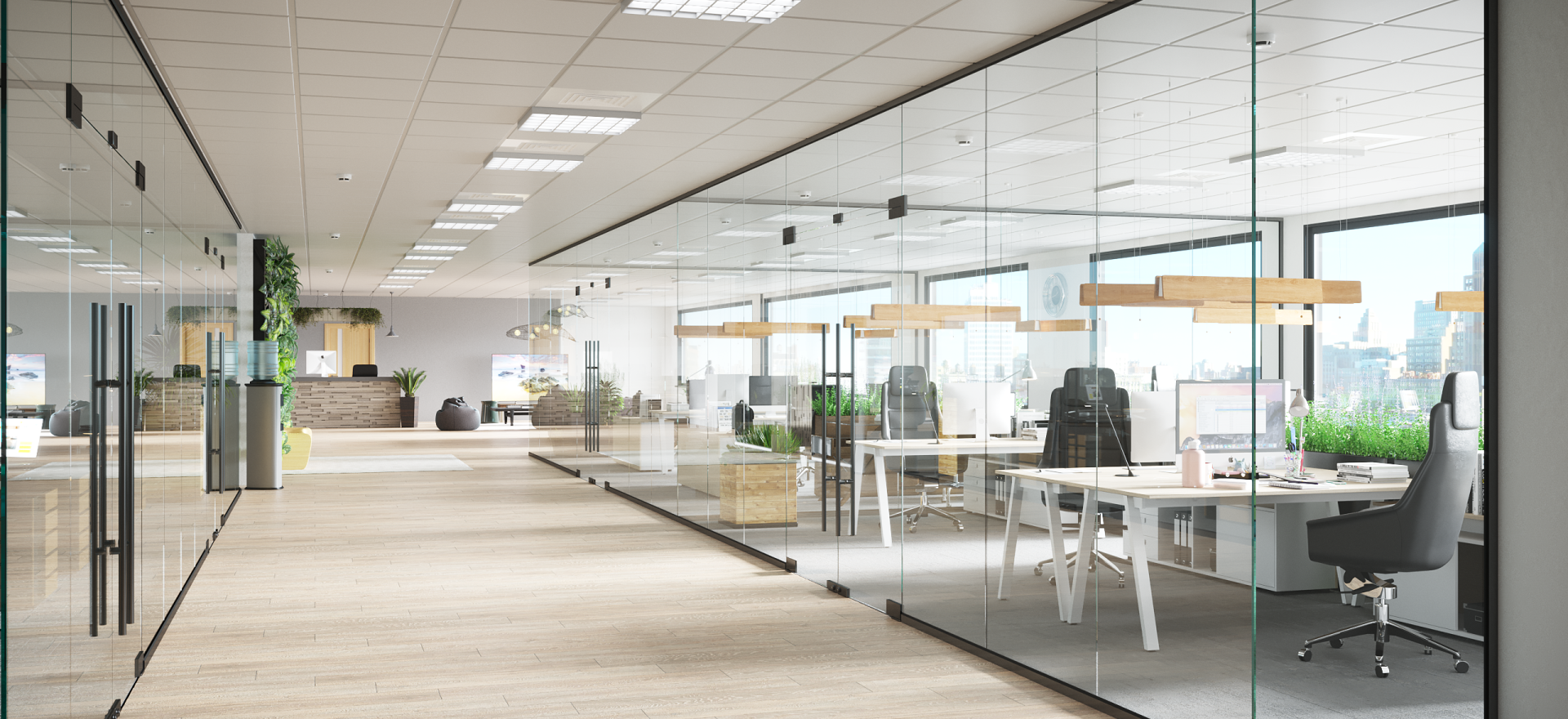
Glass partitions have become a defining feature of contemporary interior design, seamlessly blending aesthetics with practicality. Whether in corporate offices, retail environments, or residential spaces, glass partition systems offer a refined solution for dividing areas without sacrificing openness or natural light. As architecture continues to prioritize flexibility and transparency, glass partitions stand out as a modern, efficient alternative to traditional drywall construction.

Enhancing Natural Light and Openness
One of the most significant advantages of glass partitions is their ability to maximize natural light. Unlike solid walls that block sunlight, glass panels allow light to flow freely throughout a space. This creates brighter interiors, reduces reliance on artificial lighting, and fosters a more welcoming atmosphere. In office settings, increased natural light has been linked to improved employee well-being and productivity, making glass partitioning a strategic as well as aesthetic investment.
Additionally, glass partitions maintain a sense of openness. Even when spaces are divided for privacy or organization, visual connectivity remains intact. This balance between separation and transparency helps businesses create collaborative environments without compromising structure.
Design Versatility and Customization
Glass partitions are highly versatile and can be tailored to suit various design preferences. Options include:
- Frameless glass systems for a sleek, minimalist look
- Framed glass partitions for added structural emphasis
- Sliding or folding glass walls for flexible layouts
- Frosted or textured glass for enhanced privacy
Customization extends beyond aesthetics. Glass panels can be branded with company logos, decorative films, or patterned finishes, allowing organizations to integrate visual identity directly into their architecture.
Acoustic Performance and Privacy
A common misconception is that glass partitions offer limited privacy. Modern systems, however, are engineered with advanced acoustic insulation capabilities. Double-glazed glass panels, specialized seals, and integrated blinds can significantly reduce sound transmission. This makes them suitable for meeting rooms, executive offices, and other areas where confidentiality is essential.
For environments requiring additional discretion, frosted or smart glass technology can instantly shift from transparent to opaque, offering dynamic control over visibility.
Sustainability and Cost Efficiency
Glass partitions contribute to sustainable building practices. Many systems are modular, allowing them to be reconfigured as business needs evolve. Instead of demolishing walls during renovations, companies can simply reposition glass panels, minimizing waste and construction costs.

Furthermore, improved natural lighting reduces energy consumption, while recyclable materials enhance environmental responsibility. Over time, these factors translate into measurable cost savings.
Applications Across Industries
Glass partitions are widely used in:
- Corporate offices
- Healthcare facilities
- Educational institutions
- Hospitality venues
- Residential lofts and apartments
Their adaptability makes them suitable for both large-scale commercial projects and small interior renovations.
Conclusion
Glass partitions embody the perfect union of style and functionality. By combining transparency, flexibility, and modern engineering, they offer an innovative way to organize space without compromising light or design. As businesses and homeowners continue to seek adaptable and sustainable solutions, glass partitions remain at the forefront of architectural innovation—transforming interiors into bright, elegant, and efficient environments.


